Reference Pricing as a Deterrent to Entry: Evidence from the European Pharmaceutical Market
American Economic Journal: Microeconomics 15(2), 2023, 345–383
Published version(PDF) · Journal version · Online appendix(PDF) · Replication code
Media: StatNews · RealClearPolicy · The Economist · VoxEU (2025) · VoxEU (2026)
Published version: Copyright American Economic Association; reproduced with permission.
What Is Reference Pricing?
Reference pricing is the practice of using the price of a drug in foreign countries as a benchmark for price negotiations. It is a convenient policy for governments who want to ensure their prices are “reasonable” and do not want (or lack the funds) to invest in expensive health technology assessments. Many governments use reference pricing, and both the Trump and Biden administrations have discussed adopting it for Medicare Part B drugs at some point.
How Can Reference Pricing Affect Access to New Drugs?
Reference pricing limits firms’ ability to price discriminate across countries with different income levels. In Europe, reference pricing is widely used even between countries with very different price levels (for example, Italy references many small Eastern European countries such as Estonia, Latvia, and Lithuania). When manufacturers decide their optimal launch strategy, they have to worry about the potential negative spillover that launching in a low-income country (at a low price) will have on their profits in the rest of Europe. Sometimes, they may decide that delaying entry is better for profits.
Descriptive Evidence of the Impact of Reference Pricing
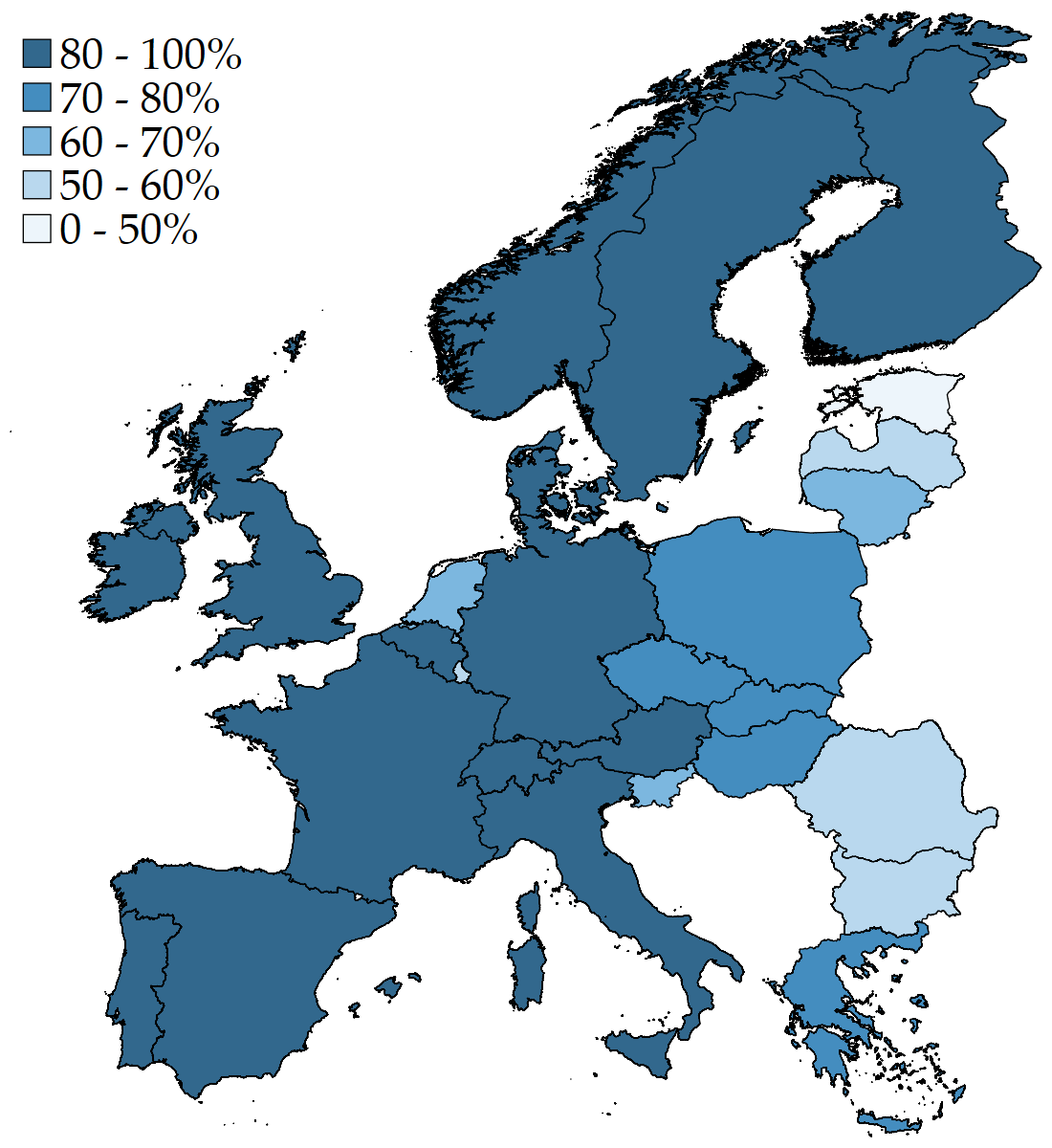
- Even though new prescription drugs can receive marketing approval for all EU countries simultaneously, many drugs aren’t available in Eastern Europe for multiple years.
- Even after controlling for revenue, delays are inversely correlated with price, suggesting that low prices cause them.
Isolating the Impact of Reference Pricing
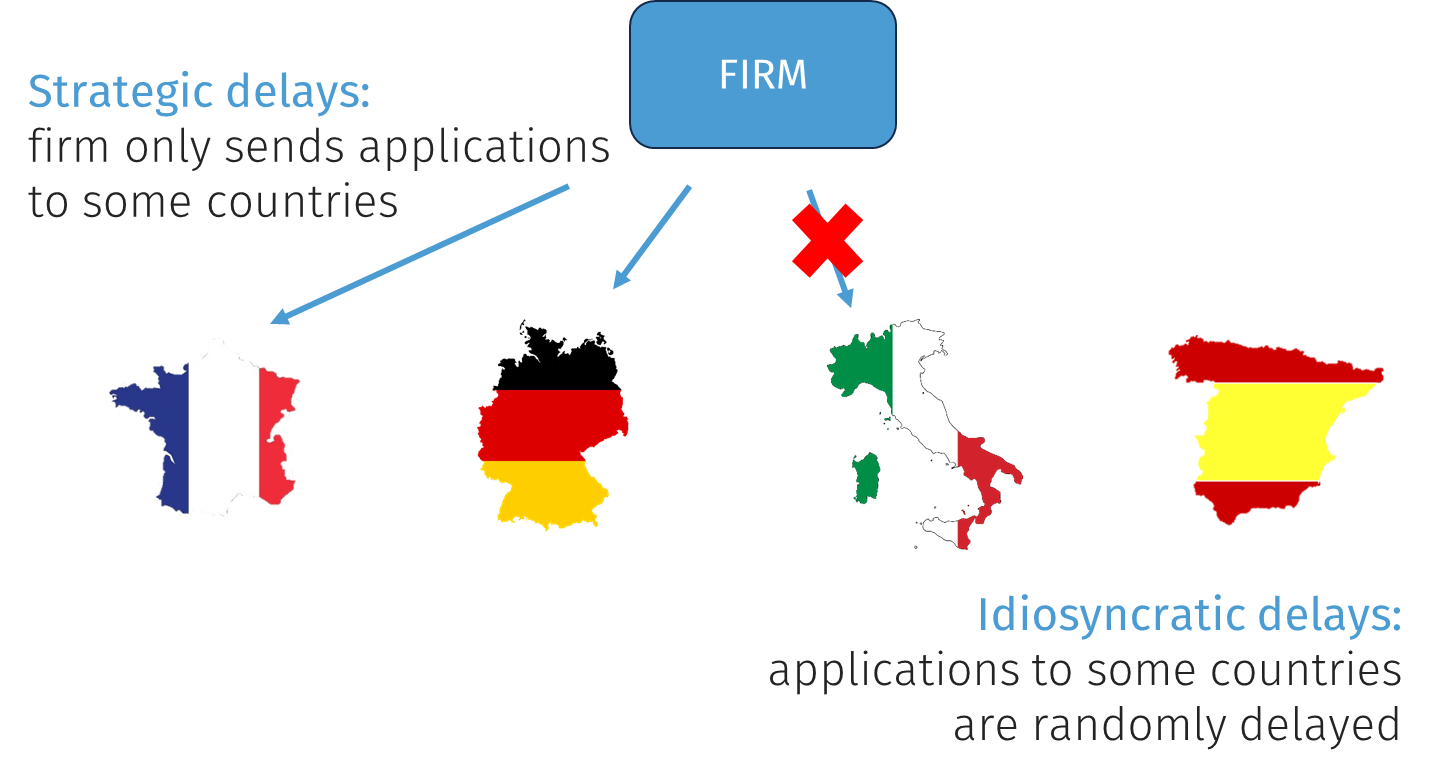
- Because delays have many potential explanations, it is hard to disentangle the impact of reference pricing from other possible sources.
- We exploit the way reference pricing affects profits. Firms delay entry on purpose if the revenue from launching in an additional country is lower than the projected loss from lower prices elsewhere.
- Using a model of optimal entry decisions, we back out a model-driven estimate of when delaying makes sense from the point of view of profit maximization.
- We use moment inequalities to derive restrictions on the underlying model parameters.
The Effect of Reference Pricing on Launch Delays
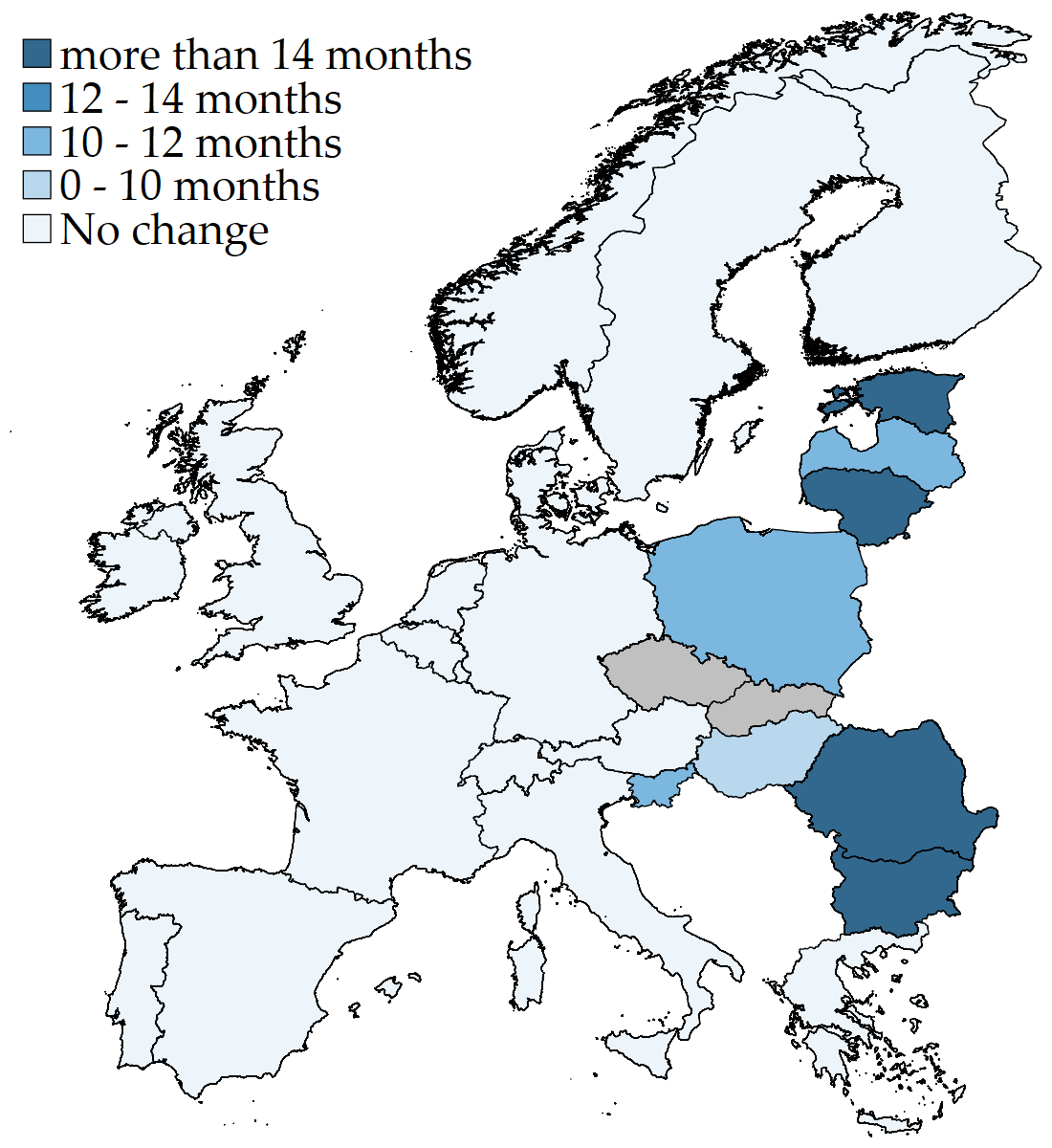
- Reference pricing can account for over half of all delays in Eastern European countries (up to one year).
- We rule out reference pricing as the cause of delays in Western Europe.
- Differences in market size drive this result: new drugs earn less than 5% of their EU lifetime revenue in Eastern Europe. Therefore, even a small effect driven by reference pricing is enough to justify delays.
- Our estimates suggest that the EU could eliminate reference-pricing-caused delays by compensating manufacturers with lump-sum payments on the order of €18 million per drug.
Key Takeaways
- Firms can react to pricing regulation along margins other than price (in this case, entry strategy).
- Implementing reference pricing in the US will likely lead to longer access delays (and higher prices) in referenced countries, limiting the effectiveness of such policies.
- Assessments of US reference pricing that do not take into account firm strategic responses will overestimate potential price reductions and savings.
- Increased price transparency across countries could exacerbate the impact of reference pricing by making it easier for referencing countries to access information on foreign prices and ultimately reduce access to new drugs.